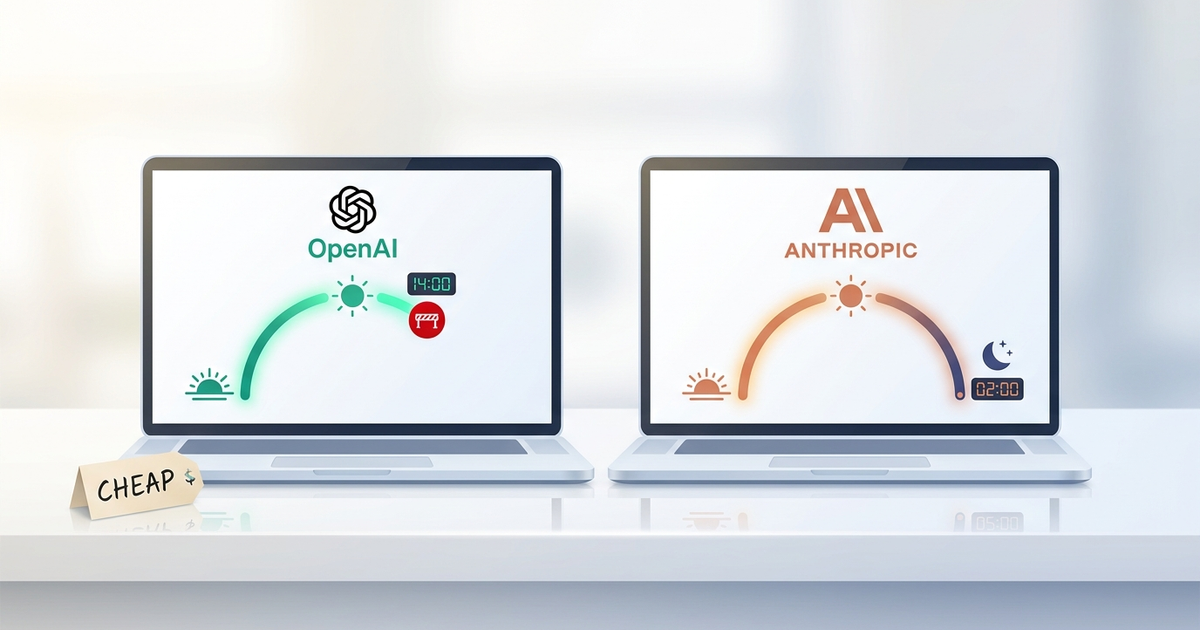
US 'AI Development' vs. China's 'AI Utilization': Lessons from the Pre-Lunar New Year Model Blitz
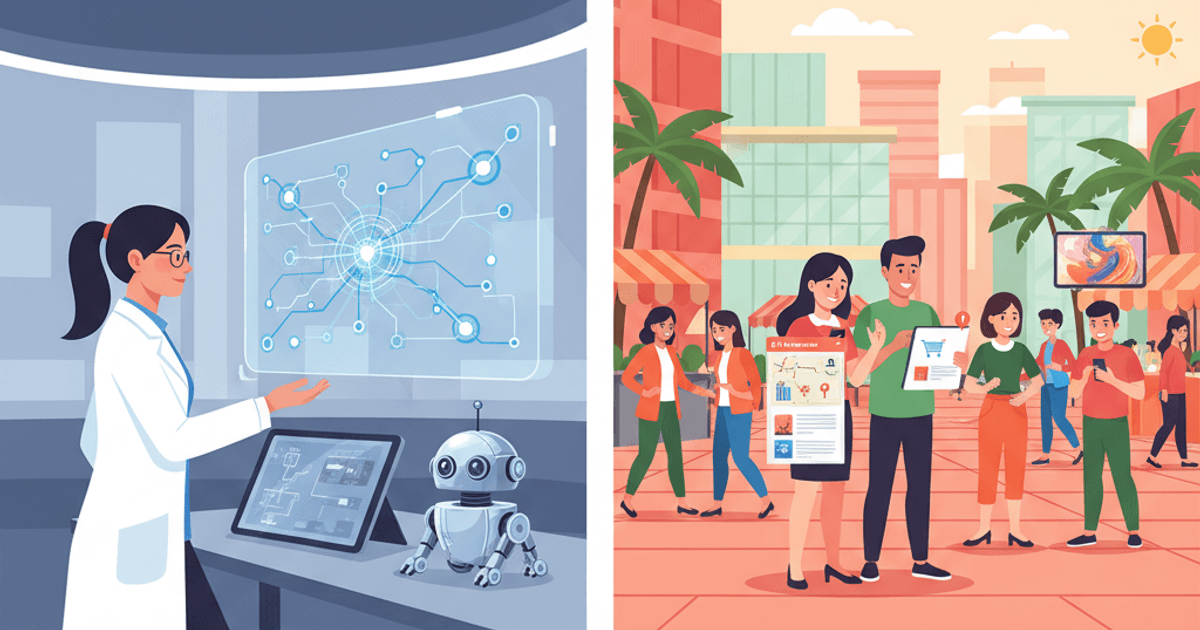
Right before the Lunar New Year, Chinese tech companies released a wave of new AI models. Alibaba’s Qwen 3.5, ByteDance’s Doubao Seed 2.0 — next-generation models with major multimodal improvements came out one after another.
These releases are more than just a tech race. They highlight a clear difference in how the US and China each approach AI.
In this post, I want to look at what recent news tells us about the different “playbooks” the US and China are using in the AI era.
1. The US Strategy: Building the Core Technology
The US excels at developing the foundational technologies behind AI — improving model performance, advancing autonomous agents, and shaping the architecture of intelligence itself.
OpenAI pushing coding capabilities to the limit with GPT-5.3-Codex. Google redefining how we organize information with NotebookLM. OpenAI bringing in the OpenClaw team to build the OS layer for autonomous agents (The Information). All of these are attempts to create entirely new forms of intelligence.
With massive funding, cutting-edge compute from NVIDIA (H100/H200, Blackwell, Rubin), and top research talent from around the world, the US will likely keep leading “zero-to-one” invention for the foreseeable future.
2. China’s Strategy: Turning Existing Tech into Ecosystem Value
China takes a very different approach. Chinese companies focus on efficiently leveraging existing technologies and turning them into revenue within their massive domestic ecosystems.
2-1. Model Development and Open-Source Strategy
Chinese AI models have a distinctive development style. Beyond training from scratch, there are ongoing claims that some Chinese companies have quietly distilled knowledge from high-performing US models without authorization.
ByteDance’s video generation model Seedance 2.0 was also reported to have generated Disney and Paramount characters without permission, leading to legal action (The Information).
While pushing through gray areas in copyright and ethics, companies like Alibaba simultaneously open-source their models (Qwen), tapping into the collective intelligence of developers worldwide to improve performance. This is a pragmatic development approach.
2-2. Ecosystem Integration: Alibaba and ByteDance
Where Chinese tech companies really stand out is in how they put these models to work.
-
Alibaba (Qwen3.5-Plus): Alibaba isn’t just offering Qwen3.5-Plus as a chatbot. They’re integrating it deeply with their ecosystem — e-commerce (Taobao/Tmall), travel (Fliggy), maps (AutoNavi), and payments (Alipay). This turns Qwen into a commerce-focused agent that can plan trips, book flights and hotels, find the best routes, and handle payments — all on the user’s behalf.
-
ByteDance (Doubao Seed 2.0 / Seedance 2.0): TikTok’s parent company has upgraded visual understanding with Seed 2.0 and content generation with Seedance 2.0. The goal is straightforward: use AI to understand video content deeply, sharpen ad targeting, and generate engaging content that keeps users on the platform longer — all optimized for ad revenue and driving traffic to TikTok Shop.
While OpenAI and Amazon are still figuring out how to connect chat AI with e-commerce and advertising, Chinese companies are steadily building the infrastructure to do exactly that.
3. The Strength of Utilization Endures
In my view, this pattern — “America invents, China utilizes” — is unlikely to change anytime soon.
Part of the reason is the US semiconductor export restrictions on advanced NVIDIA chips and ASML equipment. But beyond that, Chinese companies have a long track record of quickly adapting existing technologies and content for their domestic market and building successful businesses around them.
Building something entirely original from scratch may not be their strongest suit, but taking what’s available, optimizing it for a huge market, and making it commercially viable — that’s a real strength. Whether the subject is consumer goods or AI, this ability remains the same.
As the US and China each play to their strengths in the AI space, understanding this dynamic is important for engineers and investors alike.
Join the conversation on LinkedIn — share your thoughts and comments.
Discuss on LinkedInRelated Posts
China's AI Now: OpenClaw Fever and How Alibaba, Tencent, and ByteDance Are Racing to Monetize AI
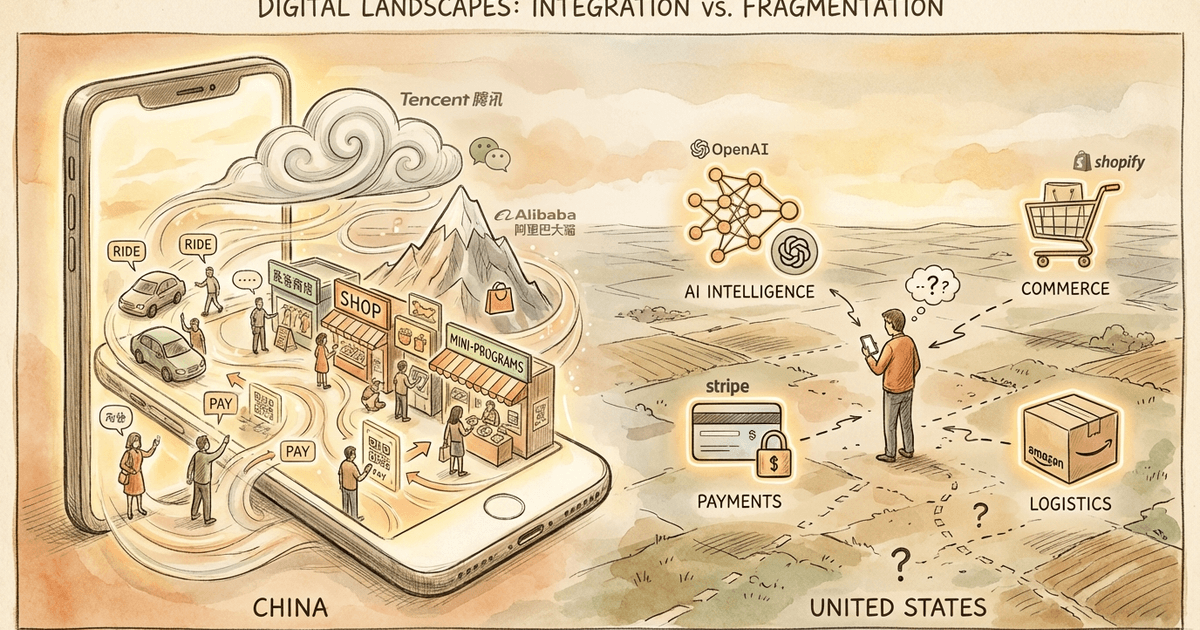
Tencent's WeChat AI Agent — Why China Has a Structural Edge in Practical AI