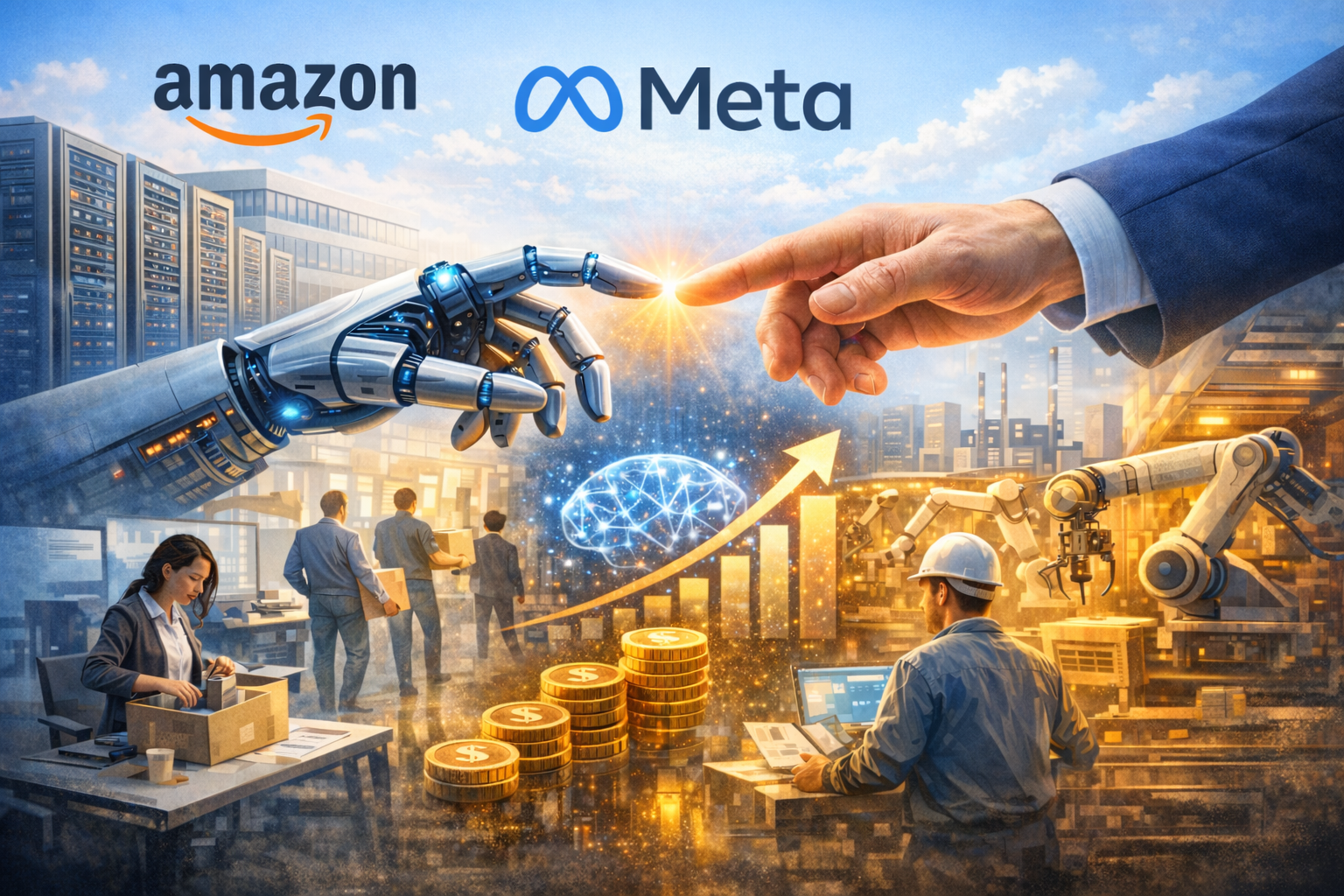
Beyond the 'Death of SaaS': Where Rule-Based Precision Meets AI Agents
You’ve probably heard the “Death of SaaS” narrative that’s been making headlines in stock markets and tech news lately.
With advanced AI tools like Anthropic’s Cowork entering the scene, SaaS giants like Adobe, SAP, and ServiceNow have seen their stock prices shake. The worry that existing business models might collapse is growing fast.
In this post, I want to dig into what’s really behind this narrative, and think about how software companies can survive — drawing on what I’ve learned from my own current development work.
1. Why People Say “SaaS Is Over”: Two Big Disruptions
The concern comes down to two major shifts in technology and market structure.
1-1. Vibe Coding Lowers the Bar for Building Software In-House
The first is a technique called “Vibe Coding.” With AI assistance, people without deep programming skills can now build working software just by describing what they want in rough terms — the “vibe.”
This means that simple tools SaaS companies have been selling — basically a UI connected to a database — can now be built in-house at much lower cost. The per-seat subscription model that SaaS revenue depends on is starting to break down.
1-2. From Human-Centered UIs to AI-Native Architecture
The second shift is the rise of Agent AI. Traditional SaaS created value by offering user-friendly interfaces for managing data in one place.
But when AI agents can autonomously handle data and complete tasks end-to-end, those polished UIs become less important. AI-native systems — where AI works with data directly behind the scenes — are making conventional SaaS look outdated.
2. Two Paths: Extend or Transform
In this environment, I think SaaS companies have two options for survival.
The first is opening up customizability. The days of one-size-fits-all features are over. By letting customers code and customize parts of the platform themselves, companies can offer a “built for our specific workflow” value that keeps users from leaving.
But the more important path is the second: going fully AI-native. This means restructuring all that enterprise data into formats AI can actually work with. Building an ontology (as I discussed in my previous post), managing security risks, and creating an environment where AI agents can operate efficiently. Whether a company can pull this off will likely decide its fate.
3. What I Learned in Practice: Combining Rules and AI
Let me share an example from a project I’m working on — integrating an AI agent into a business operations system.
At first, I tried letting the LLM handle all the decision-making. That didn’t go well. Business rules often involve things like subtle policy differences based on roles and strict numerical calculations required by regulations — areas where even a single wrong digit is unacceptable. Current AI, with its inherent randomness, just can’t guarantee that level of precision. The system kept breaking.
What I ended up with is a fusion of rule-based precision and AI flexibility:
-
Rule-based layer (defense): Handles business regulations, calculation logic, and everything that must be exactly right.
-
AI agent layer (offense): Handles natural language understanding, figuring out what users mean despite vague or varied phrasing, suggesting options for edge cases, and working through complex context.
Building on a solid foundation of business rules while using AI as a complement — this “optimized fusion” is what separates tools that fail by handing everything to AI from next-generation SaaS that actually works in practice.
4. The Last Hurdle: Business Model Disruption
Even if the technology works, SaaS companies face one final and arguably biggest challenge: redefining how they make money.
When AI cuts headcount, the per-employee seat license model stops working. When companies rely on third-party AI APIs (from OpenAI and others), costs go up and margins shrink.
-
Revenue drops (fewer seats to sell)
-
Costs rise (API usage fees)
How companies get past this squeeze — finding ways to charge for the value AI creates rather than per-user access — will be what ultimately separates survivors from those that don’t make it.
Join the conversation on LinkedIn — share your thoughts and comments.
Discuss on LinkedInRelated Posts
Three Conditions for SaaS Survival in the AI Agent Era
The 'Cancel SaaS and Build Your Own' Era: Lessons from IDX Advisors and the Rise of Edge Platforms