META FIT — Virtual Try-On for the Future of Online Fashion
View on GitHubChallenge
Online fashion has a $100B+ problem: customers cannot try clothes on before buying, leading to return rates of 30–40% — far higher than any other e-commerce category. This hurts consumers, retailers, and the environment alike.
Solution
Built a virtual try-on system where users upload a single full-body photo and instantly see themselves wearing any garment. Combines AI-powered body analysis, automatic size recommendation, and image generation to create realistic fitting results.
Result
Successfully generated virtual try-on images for standard body types. Identified key limitations in processing speed and body diversity that shaped the roadmap toward next-generation approaches using modern image generation models.
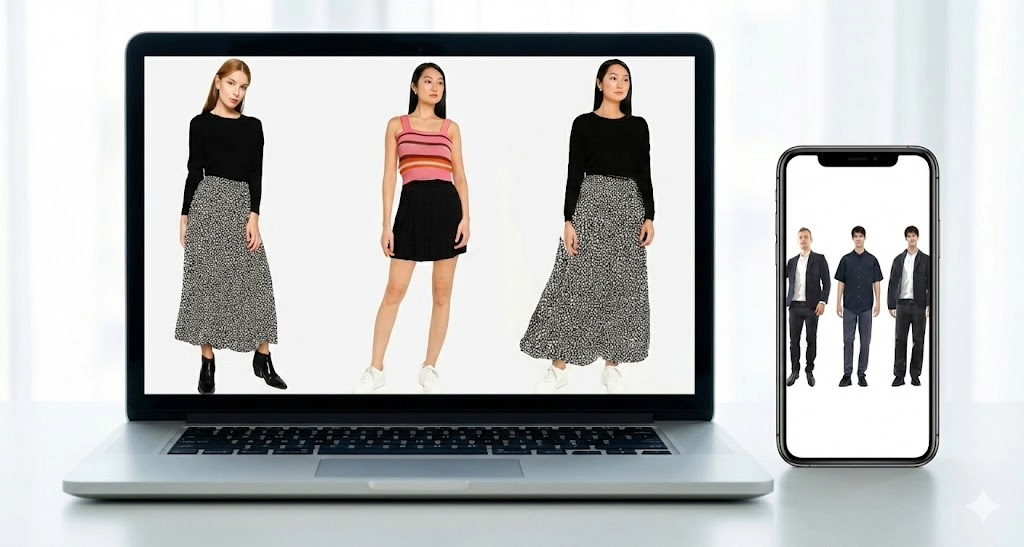
The Problem Everyone Knows
Anyone who has bought clothes online knows the frustration: the shirt that looked great on the model is too tight across the shoulders; the pants that seemed perfect are two inches too short. You order three sizes, keep one, and return the rest.
This is not a minor inconvenience — it is a massive economic and environmental problem.
| Metric | Scale |
|---|---|
| Fashion e-commerce return rate | 30–40% (vs. ~10% for other categories) |
| Annual cost of returns (US alone) | Over $100 billion |
| Environmental impact | Billions of returned items generate significant CO2 in shipping and often end up in landfills |
| Consumer frustration | The #1 reason people hesitate to buy clothes online |
The root cause is simple: you cannot try clothes on through a screen. You cannot see how a garment drapes on your specific body, whether the cut flatters your shape, or if the size actually fits.
This is the problem META FIT set out to solve.
The Vision: 20 Years in the Making
The idea traces back nearly two decades — long before smartphones or AI existed. The original concept was a hardware kiosk, similar to Japanese photo booths (purikura): stand in front of a camera, and see yourself wearing different outfits on screen.
As technology evolved, the vision transformed into a smartphone app. But the core question never changed:
Can we let people see how clothes look and fit on their own body, without physically trying them on?
If solved reliably, this would transform online fashion:
- For consumers: Confidence in purchasing, fewer returns, less wasted time
- For retailers: Lower return-related costs, higher conversion rates, reduced inventory waste
- For the environment: Less shipping, less packaging, fewer discarded garments
How It Works: Photo In, Fitting Out
The user experience is designed to be as simple as possible:
- Take a photo — Upload a single full-body photo from your smartphone
- Get measured — The system automatically detects your body shape and calculates your measurements (shoulder width, body length, inseam, and more)
- Choose clothes — Browse available garments by category (tops, bottoms, full outfits)
- See yourself wearing them — AI generates a realistic image of you wearing the selected garment, fitted to your body
No special equipment. No body scanning booth. Just a phone and a photo.
What Happens Behind the Scenes
Under the surface, the system combines three AI technologies:
1. Body Understanding
The system detects 18 skeletal points on your body (shoulders, elbows, hips, knees, etc.) and segments the image into body regions. From this, it calculates real-world measurements — validated against manual measurements from test subjects — and recommends the right size before you even try anything on.
2. Garment Fitting
Using a specialized deep learning model, the system takes the flat product photo of a garment and reshapes it to match your body’s pose, proportions, and contour. The garment is not simply pasted onto your photo — it is geometrically transformed to look like you are actually wearing it.
3. Image Composition
The fitted garment is seamlessly blended with your original photo, creating a natural-looking result. The system handles the boundary between skin and fabric, preserves garment textures and patterns, and maintains your body proportions throughout.
The system supports three fitting modes: full body (top and bottom together), upper body only, and lower body only.
Automatic Size Recommendation
Beyond visual try-on, the system also solves the sizing problem. Using just your photo and height input, it calculates:
| Measurement | How It Works |
|---|---|
| Shoulder width | Distance between detected shoulder points |
| Sleeve length | Shoulder to elbow to wrist, summed |
| Body length | Neck to waist, extrapolated |
| Inseam | Hip to knee to ankle, summed |
These measurements were validated against manually measured data from 10 test subjects (158–178 cm tall). Combined with garment size charts, the system can recommend the most likely correct size — potentially eliminating the need to order multiple sizes.
Smartphone App Design
A complete mobile app prototype was designed for iPhone, covering the full user journey:
- Welcome — Onboarding and registration
- Photo Capture — Guided pose for optimal body detection
- Avatar & Measurements — Your digital body profile with calculated dimensions
- Browse Outfits — Category-based garment selection
- Virtual Fitting — See yourself wearing the selected items
- Cart & Purchase — Buy with confidence
A browser-based prototype was also built for quick demonstrations, using real-time camera-based pose detection to overlay garments at interactive frame rates.
Results and Honest Limitations
What Worked
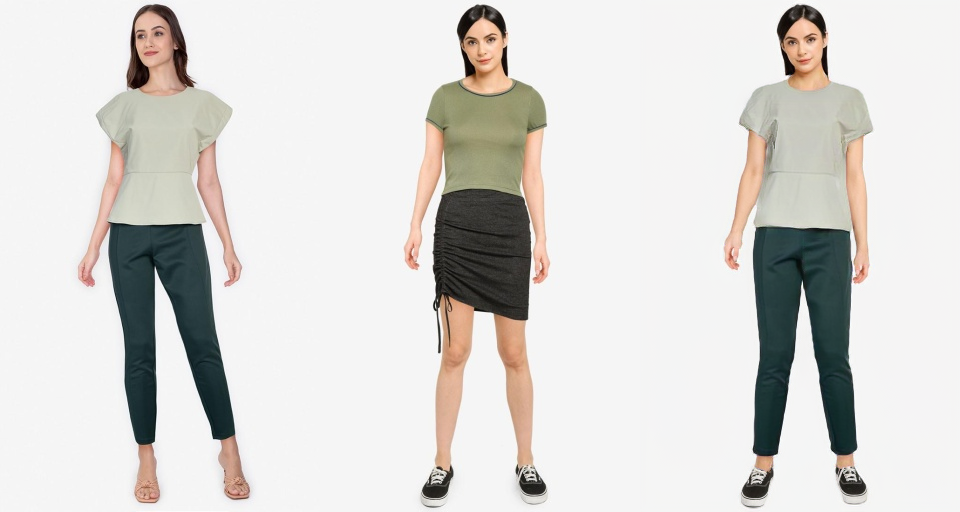
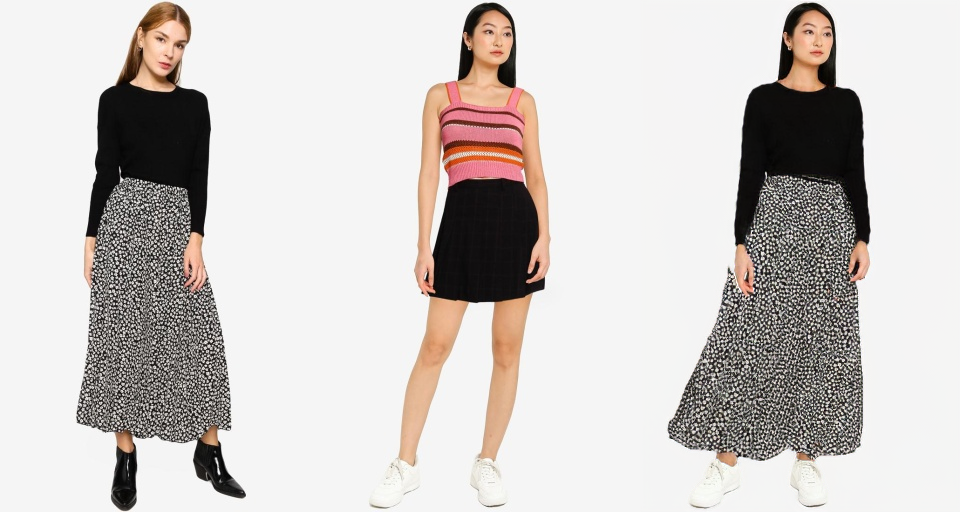
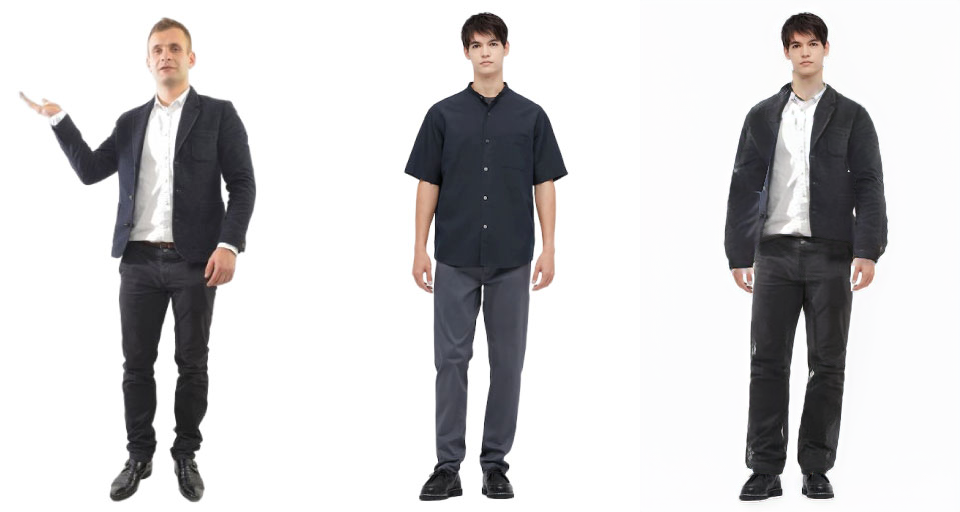
The system successfully generates virtual try-on images from standard full-body photos. For typical body types in front-facing poses, the results are convincing — garment textures are preserved, body contours are respected, and the output looks natural.
What Needs Improvement
Through extensive testing, several challenges emerged that must be solved before this becomes a consumer product:
Speed: Generating a single try-on image requires significant computing power. For a real-time shopping experience, this needs to be nearly instant — a gap that modern AI architectures are rapidly closing.
Body Diversity: The AI models perform best on body types well-represented in training data. For underrepresented body types, results degrade. True commercial viability requires working equally well for all body shapes and sizes.
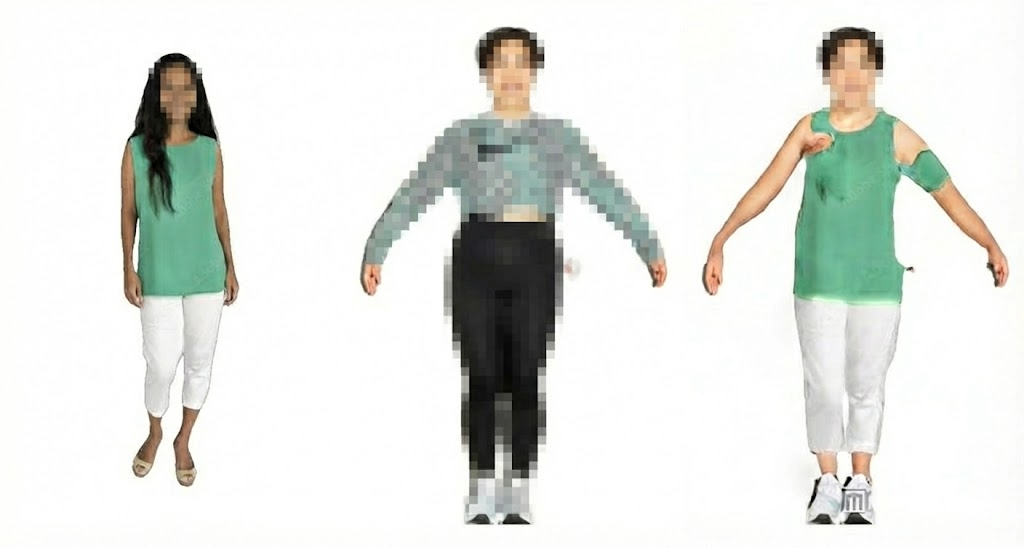
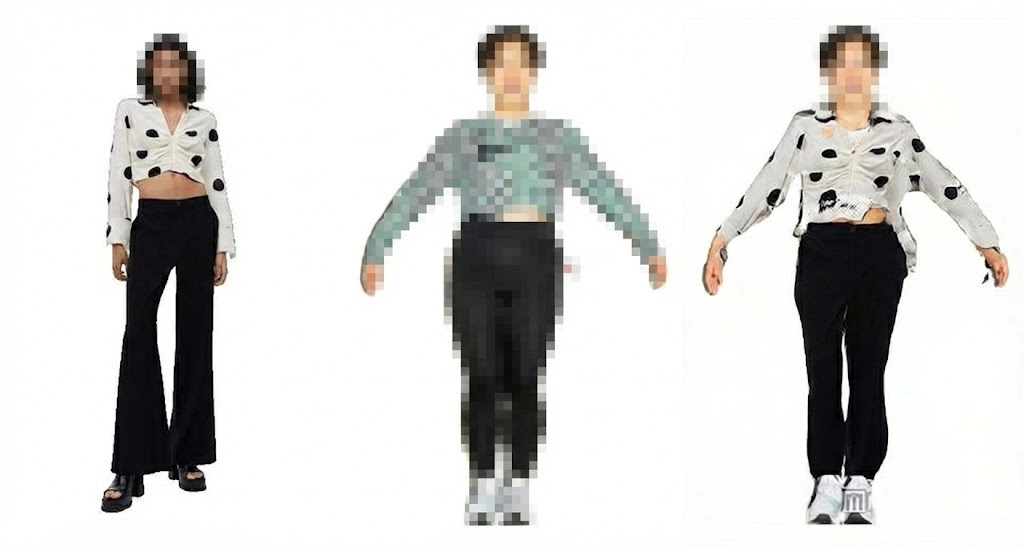
Garment Fidelity: Complex patterns, logos, and tight-fitting garments sometimes lose detail in the transfer process. The output must be pixel-perfect for consumers to trust it.
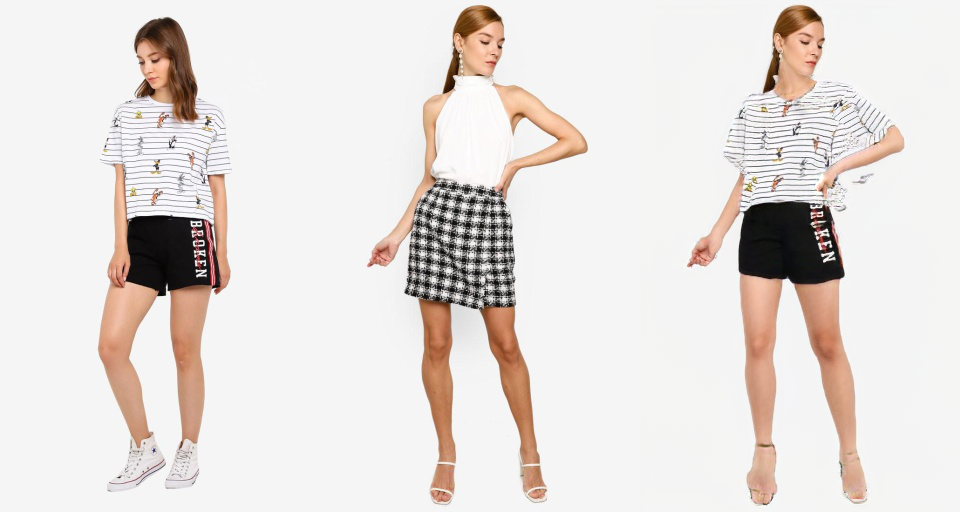
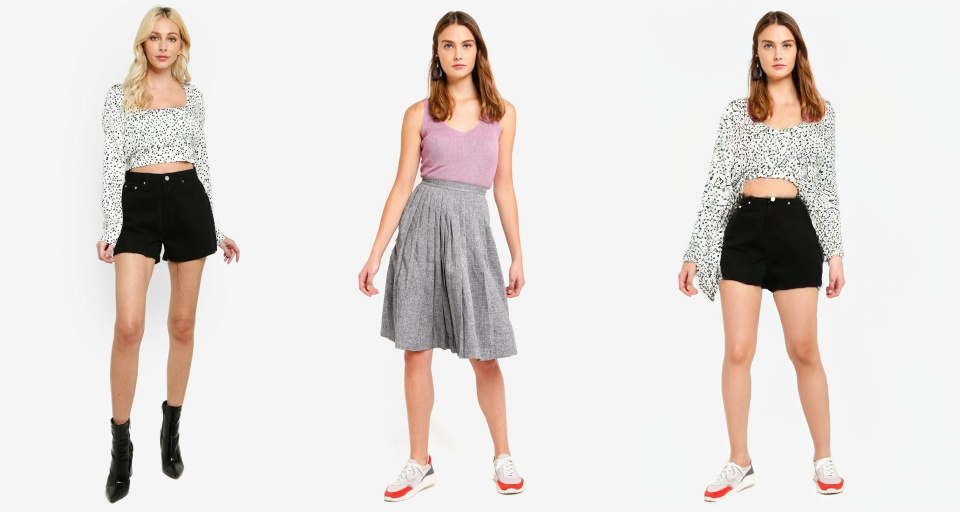
These are not dead ends — they are engineering challenges with clear paths to solutions, many of which are being addressed by the latest generation of AI image models.
The Future: Why Now Is the Moment
When this project started, the AI technology for virtual try-on was in its early stages. Since then, the field has undergone a revolution. Modern image generation models produce dramatically better results: higher quality, faster processing, and better handling of diverse body types.
Major fashion retailers are investing heavily in virtual try-on. The technology that seemed futuristic a few years ago is becoming a competitive necessity.
META FIT’s next phase leverages these modern capabilities — building on the deep understanding of the problem space, the validated UX flow, and the measurement infrastructure that this project established.
The 20-year-old dream of seeing yourself in clothes before buying is no longer a question of if — it is a question of when.
Technical Stack
| Layer | Technology |
|---|---|
| Virtual Try-On Engine | Deep learning image generation (PyTorch, CUDA) |
| Body Analysis | Pose estimation + body segmentation |
| Size Measurement | Custom Python (OpenCV, NumPy) |
| 3D Exploration | 2D-to-3D mesh reconstruction (explored) |
| Web Prototype | TensorFlow.js, real-time pose detection |
| App Design | Figma mockups (iPhone 12) |
| Infrastructure | Docker, GPU compute |
Development Process in Detail
The full technical deep-dive — covering GAN architecture, CUDA-accelerated inference pipelines, pose estimation internals, body measurement algorithms, and failure mode analysis — is documented in the 5-part blog series:
| Part | Topic |
|---|---|
| Part 1 | The 20-Year Vision and Virtual Try-On Research Landscape |
| Part 2 | Understanding GANs — The Engine Behind Virtual Try-On |
| Part 3 | Inside PF-AFN — The Try-On Engine in Code |
| Part 4 | Pose Estimation, Body Measurement, and 3D Reconstruction |
| Part 5 | Results, Failure Modes, and the Path to Modern Image Generation |
Join the conversation on LinkedIn — share your thoughts and comments.
Discuss on LinkedIn